
Journal
Do You Need a Car in Pittsburgh? Parking Permits, and PRT
if you live in Shadyside or East Liberty, you probably don't need a car for everyday life. You can walk to groceries, coffee and dinner. Buses and the East Busway will get you to Oakland and Downtown.
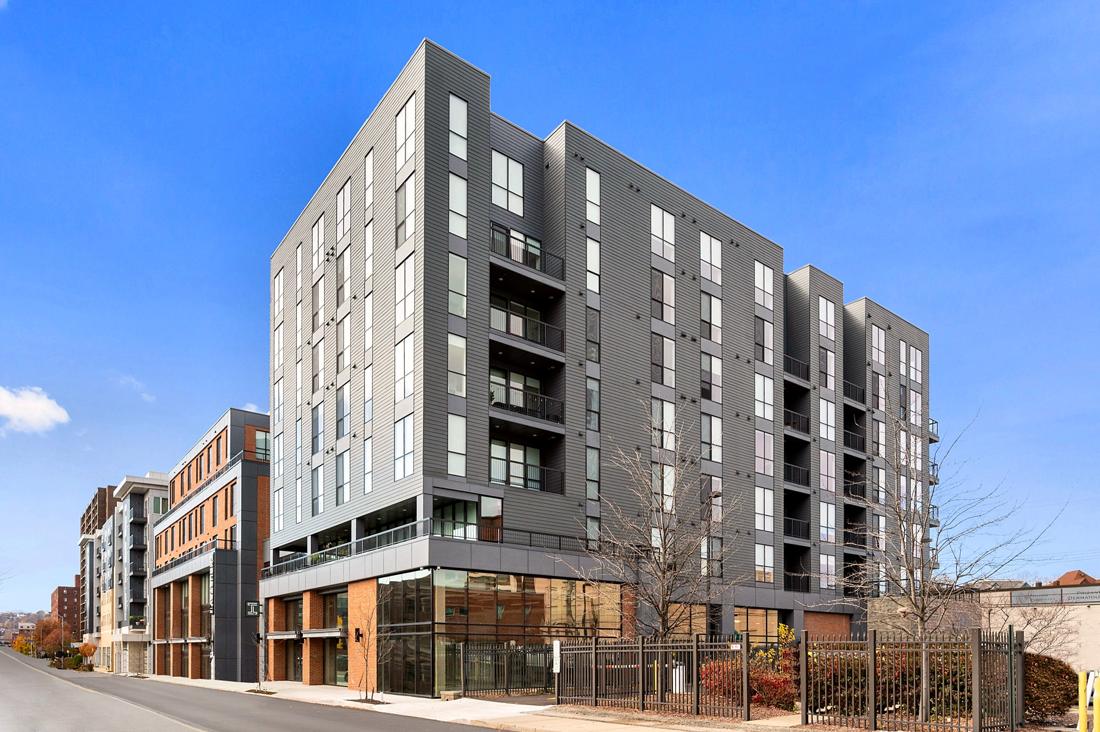
Do You Need a Car in Pittsburgh? Parking Permits, PRT, and Getting Around the East End
Here's the honest answer: if you live in Shadyside or East Liberty, you probably don't need a car for everyday life. You can walk to groceries, coffee and dinner. Buses and the East Busway will get you to Oakland and Downtown. Where a car still earns its keep is the suburban commute, the 3 a.m. hospital shift, or the weekend escape out of town.
Key takeaways
- Car-free living is practical in Shadyside and East Liberty, thanks to walkable amenities and public transit
- Compare total transportation costs before deciding whether to own a car or use buses, bikes, and rideshares.
- Residential parking permits cost $40 annually but don't guarantee a parking spot.
- PRT buses offer affordable commuting, with a $2.75 fare and three hours of transfers.
- Choose based on your routine: use transit for daily trips and consider a garage, rideshare, or rental when you need a car.
Here's the honest answer: if you live in Shadyside or East Liberty, you probably don't need a car for everyday life. You can walk to groceries, coffee and dinner. Buses and the East Busway will get you to Oakland and Downtown. Where a car still earns its keep is the suburban commute, the 3 a.m. hospital shift, or the weekend escape out of town.
"Should I bring my car?" is one of the most common questions people ask when they move here. We lease apartments at the corner where Shadyside meets East Liberty, and we have a parking garage, so we'd rather tell you straight when you won't need it.
How we put this guide together:
In October 2026 we checked every fee, fare and rule below against the official sources: the Pittsburgh Parking Authority, Pittsburgh Regional Transit, the city code, AAA, Pitt and Carnegie Mellon. You'll find links in the text and a full list at the end. Fees and fares change, so we'll review this guide regularly.
So, who actually needs a car here?
It comes down to where your regular trips go, not Pittsburgh as a whole. The East End is one of the easiest parts of the city to live in without a car. Shadyside has a neighborhood Walk Score of 91, among the highest in Pittsburgh.
If this sounds like you… | You probably… |
You work at UPMC Shadyside, Bakery Square, Pitt or CMU | Don't need a car |
You head Downtown on weekdays | Don't need one; the East Busway is your friend |
You work overnight shifts outside the East End | Might want one |
You commute to a suburban office park | Need one |
You're out of town most weekends | Could rent or car-share instead |
Residents tend to bring up the location first. One wrote in a Google review that Industry Pittsburgh is
"close to Pitt and UPMC as well as restaurants, coffee shops, and public transit." Another said it's "in walking distance to many shops and restaurants,"
and also liked that
"the parking garage offers great access to all levels."
So you can go car-free here, or keep a car without the street-parking hassle.
Let's talk money: car vs. car-free
Keeping a car costs roughly ten times more than getting around by bus and bike. AAA's 2026 Your Driving Costs study puts the average yearly cost of owning and running a new car at $12,863. That's about $1,072 a month (AAA).
Now compare that with going car-free. Twelve PRT 31-day passes at $97.50 each come to about $1,170. Add a $150 POGOH bike-share membership and you're at roughly $1,320 for the year. That's our own back-of-the-envelope math, and your numbers will differ. Still, the gap pays for a lot of Ubers and the occasional rental.
How Pittsburgh's residential parking permit works
A Pittsburgh residential parking permit (RPP) lets you park on your block past the posted time limit. The Public Parking Authority of Pittsburgh (PPAP) runs the program. A permit costs $40 per vehicle per year, and an annual visitor pass costs $10 per address (Pittsburgh Parking Authority). The price doubled from $20 in 2025 (WESA). Fees aren't pro-rated, so buying in month eleven costs the full amount.
A few things catch new residents off guard:
A permit doesn't reserve you a spot. The city code says so plainly . It only lets you stay longer.
Meters win. If a permit block is also in a meter zone, you pay the meter like everyone else.
Cameras do the checking. Enforcement uses license-plate recognition, and parking in a permit area without a permit can cost you up to $45.
Applying as a renter (it's easier than you'd think)
Confirm your block is in a permit district on the PPAP's district map.
Grab three documents: your lease, a current vehicle registration and your driver's license. The lease needs your name, your unit number, the lease dates and both signatures.
Apply online, by mail, or in person at 232 Boulevard of the Allies.
Check your email. Your permit arrives there once your documents are approved.
Moving from another state? Good news: the PPAP accepts out-of-state registrations and licenses, so you don't have to wait until you've switched them over.
What's street parking in Shadyside really like?
Doable, but competitive, especially near Walnut Street, Ellsworth Avenue and the hospital blocks. Shadyside has been in the permit program for decades, under an area city records call Area "J" (City of Pittsburgh). That doesn't cover every block, though, so read the signs.
Without a permit, you'll usually get one to two hours on residential blocks. In the business district, meters run Monday through Saturday from 8 a.m. to 6 p.m. You can pay by phone with Go Mobile PGH, ParkMobile, Meter Feeder or PayByPhone (PPAP). Our best tip is to read the entire sign pole. A permit won't save you on street-sweeping day.
If you'd rather not deal with any of this, Industry has a secured, attached garage with monthly spaces and EV charging. It isn't free, and we won't pretend you need it. But on a snowy night after a late shift, it's nice not to circle the block.
Getting around with PRT
The bus is the backbone of car-free life here. PRT's $2.75 base fare includes three hours of unlimited transfers when you pay with a fare card or the app (PRT). The 2026–2027 budget also keeps fares and service where they are (WESA).
The real star is the Martin Luther King Jr. East Busway, a road built only for buses. The P1 runs every day from East Liberty station to Downtown, skipping street traffic entirely.
Two changes are worth knowing about:
New fare cards. PRT is swapping the ConnectCard for ReadyFare, and expects to stop accepting ConnectCards in late 2026. If you already use the Ready2Ride app, you're all set.
A new rapid bus line. The University Line, linking Downtown, Uptown and Oakland, is expected to be finished in 2027 (Axios).
Students and university staff should check their benefits first. Eligible Pitt students, faculty and staff ride PRT free anywhere in Allegheny County,and CMU bundles bus fares into its student transportation fee (The Tartan).
Walking, biking and the occasional car
Most everyday errands are a walk away. From our front door, you can walk to UPMC Shadyside and Bakery Square. Pittsburgh's hills are no joke, but POGOH bike share is mostly e-assist bikes, which flatten them out nicely (POGOH). If you bring your own bike, there's secure storage in the building. For the IKEA run or a ski weekend, Carnegie Mellon's own newcomer guide points to Uber, Lyft or Zipcar (CMU).
Try this before you decide
Jot down a normal week of trips and label each one: walk, bus, bike, or car-only. Only a handful of car-only trips? Rent or ride-share for those. Car-only trips almost every day? Keep the car, and pick between a permit and a garage spot early. Want to see it for yourself first? Our Shadyside and East Liberty neighborhood guide shows what's within walking distance.
Frequently asked questions
Do I need a car in Pittsburgh?
Not if you live in a walkable East End neighborhood like Shadyside. You'll want one for suburban commutes or frequent trips out of town.
How much is a Pittsburgh residential parking permit?
It costs $40 per vehicle per year, plus $10 a year for a visitor pass.
Does a permit guarantee me a space?
No. It just lets you park longer than the posted limit in your permit area.
Can I park in Shadyside without a permit?
Yes. You'll usually get one to two hours on residential blocks, or you can use the meters in the business district.
What's the bus fare?
It's $2.75, with three hours of transfers when you pay with a fare card or the app.
How do I get Downtown without a car?
Hop on the P1 at East Liberty station. It runs on a road reserved for buses.
Do Pitt and CMU students ride free?
Pitt riders do. CMU includes fares in its student transportation fee.
Does Industry have parking?
Yes. We have a secured garage with monthly spaces and EV charging. Details are on our FAQ page.
Keep reading
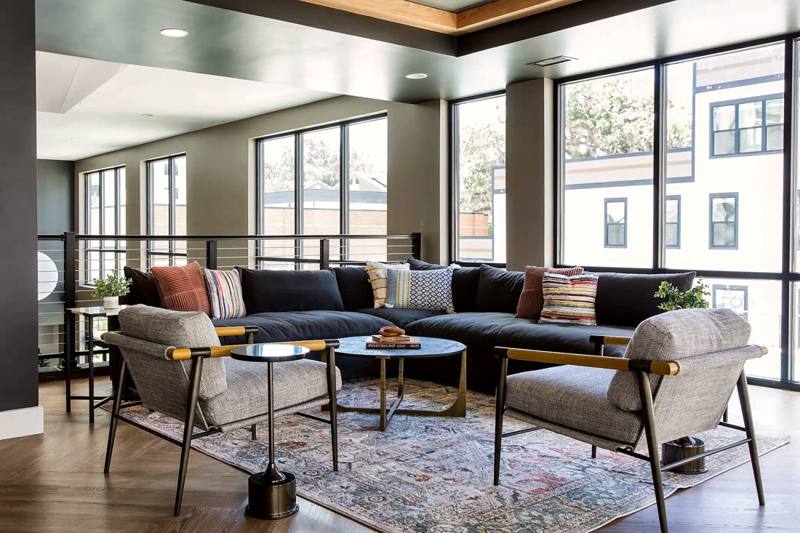
Renting an Apartment in Pittsburgh as an International Student: Credit, Guarantors, and Documents
Good news first: you can rent an apartment in Pittsburgh without a U.S. credit history or a Social Security number (SSN). You'll just need to prove you can pay in other ways: proof of funds, a guarantor, a larger deposit, or a credit report from your home country.
Read the story →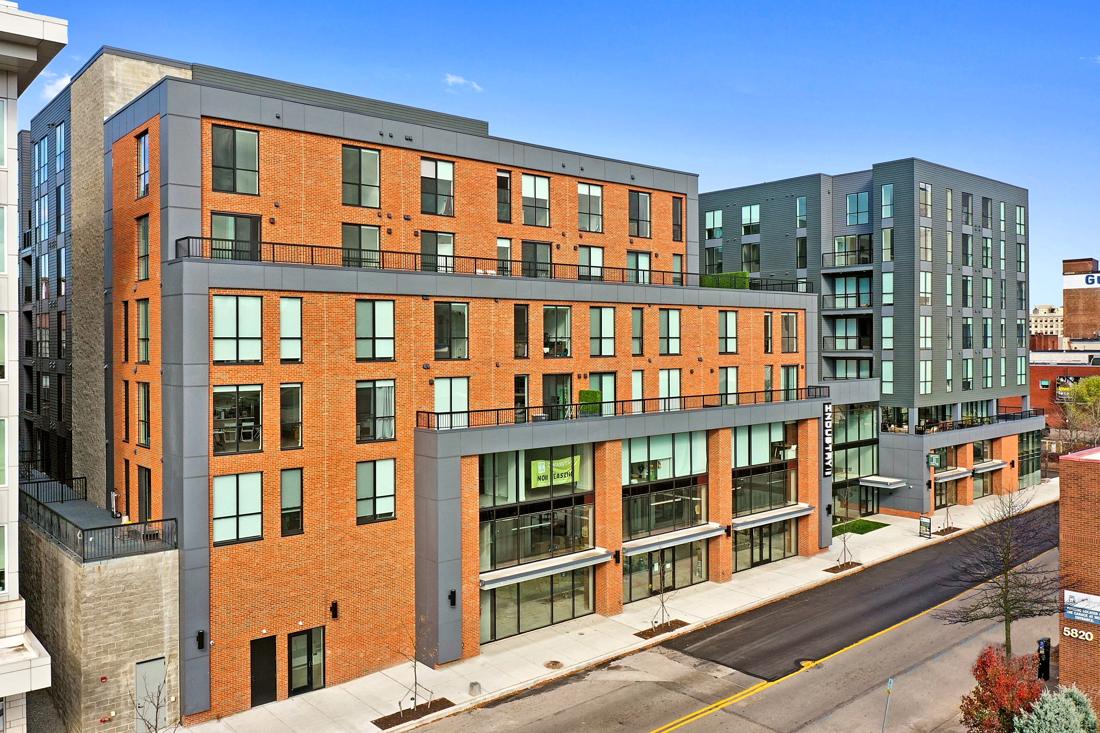
Cost of Living in Pittsburgh: What Renters Actually Pay Beyond Rent
Pittsburgh is one of the more affordable big cities in the country, and your rent goes further here than in most metros. Still, rent isn't the only line in your budget. You'll also want to plan for electricity, heat, possibly water and sewer, internet, renters insurance and getting around.
Read the story →